MinimaLEG
-
by
TSARA
Diversity of Cameroonian Pulses and Resource-Efficient Methods for Producing Infant Cereals
Partners:
- UR BIA, Nantes, France
- UMR IATE, Montpellier, France
- University of Yaoundé I, Yaoundé, Cameroon
- University of Douala, Douala, Cameroon
- University of Bamenda, Bamenda, Cameroon
Funding:
- Thesis funded by INRAE, designated as a TSARA project, under a joint supervision agreement between the University of Nantes and the University of Yaoundé I (2025–2029)
- STARTER Project MinimaLEG (2026–2027)
Making Better Use of Cameroonian Legumes to Improve Child Nutrition
In Cameroon, as in many sub-Saharan African countries, child malnutrition remains a major challenge, linked in particular to limited access to sufficiently nutritious foods to supplement breastfeeding.
In this context, local legumes represent a resource that remains underutilized. The goal of the project is to harness these local resources to produce,usingsimple and accessible processes, infant flours that are nutritious, safe, and suited to local needs.
The MinimaLEG project is being implemented in Cameroon across five agroecological zones to account for the diversity of production conditions and local resources. It covers the entire value chain: from field observations to the characterization of seed composition and properties, to processing methods and nutritional assessment.
Close collaboration between Cameroonian and French teams has made it possible to develop a jointly designed research methodology that has been validated by local authorities, and the initial results are expected in the summer of 2026.
The project is firmly rooted in European efforts toward standardization and data sharing. This foundation enables it to harmonize methods, leverage the data produced on a European scale, and open up opportunities for training and international collaboration, including with partners in Cameroon.
A TSARA-certified project
The TSARA designation has enabled the project to formalize the collaboration, structure the project, and secure the necessary resources to launch field surveys and initial experimental work. TSARA provides a platform for scientific engagement (notably through TSARA Days), facilitating interactions between French and African teams with complementary areas of expertise.
The First Field Surveys
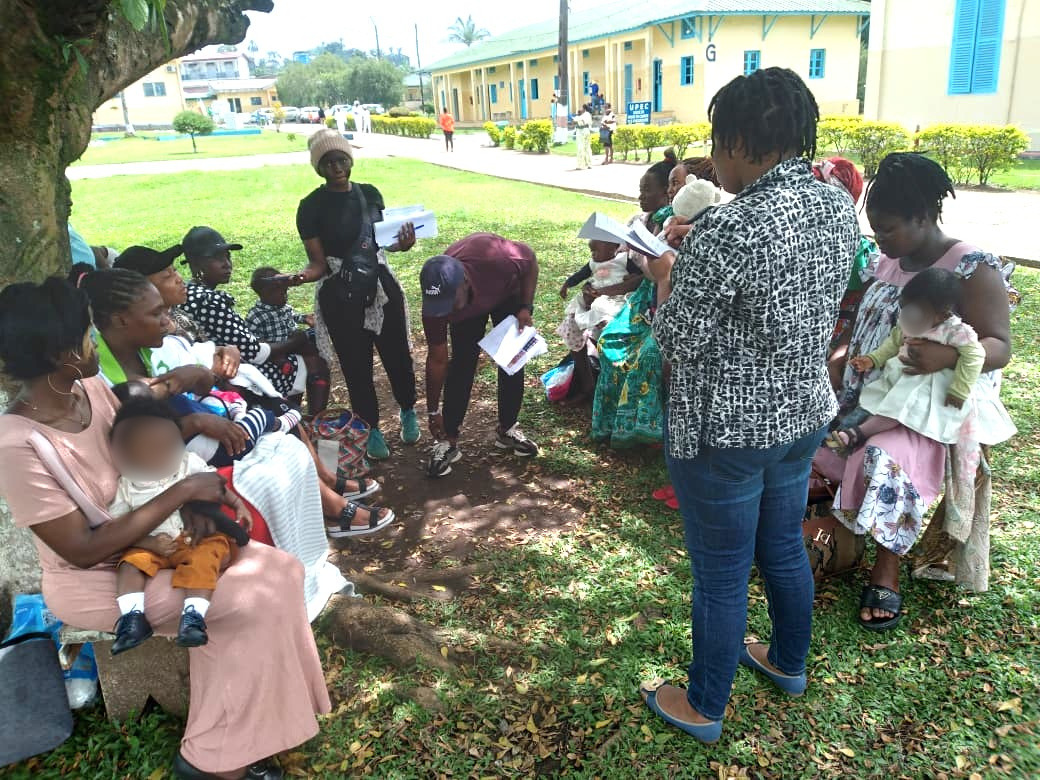
The project has begun to identify the key players in local food processing: households, shopkeepers, and millers, who play a central role in the production of the flours used in everyday life.
“This project will enable us, for the first time, to systematically document the legumes grown and used in different regions of Cameroon, and to understand how local conditions influence their nutritional quality. By cross-referencing this data with our study of processing methods, we will be able to identify concrete strategies in production and processing to develop flours better suited to the needs of young children. Beyond the Cameroonian context, the goal is also to build generalizable knowledge that can help better utilize legumes in other contexts, including in Europe. Finally, the processing practices carried out daily in households or at markets—which are often poorly documented—can inspire new approaches to utilizing legumes in Europe, particularly through simple and accessible methods. This comparative perspective between African and European contexts is undoubtedly one of the project’s most valuable contributions, as it opens up avenues for innovation that are not only technological but also organizational and cultural.”