MAHDIA
Linking water resilience, agroecology, and sustainable food systems in local regions Regional project: Morocco, Senegal, and Tunisia Partners: Funding: Fonds Equipe France (FEF), €1 million.
Linking water resilience, agroecology, and sustainable food systems in local regions Regional project: Morocco, Senegal, and Tunisia Partners: Funding: Fonds Equipe France (FEF), €1 million.
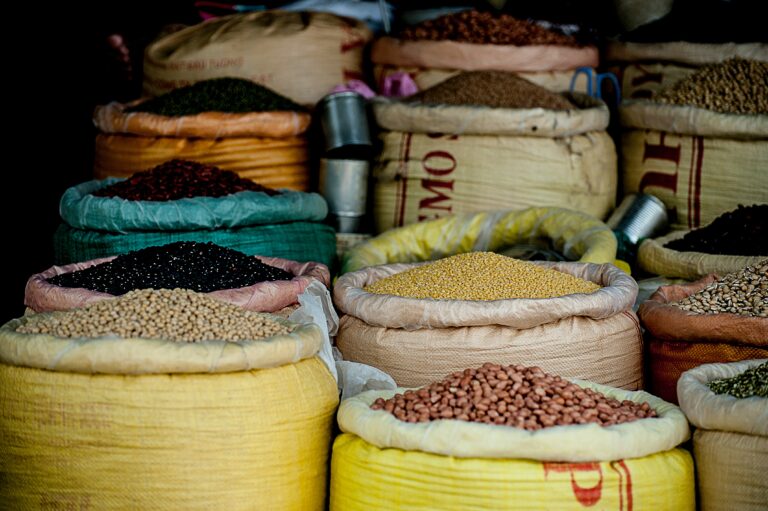
Food and Microbiota in Africa – Traditional Diet and Public Health Partners: In many African countries, malnutrition today takes many forms:

Employment and agroecological transition Partners: Burkina Faso, France, Ghana, Senegal The issue of employment, working conditions, and the attractiveness of professions, particularly for
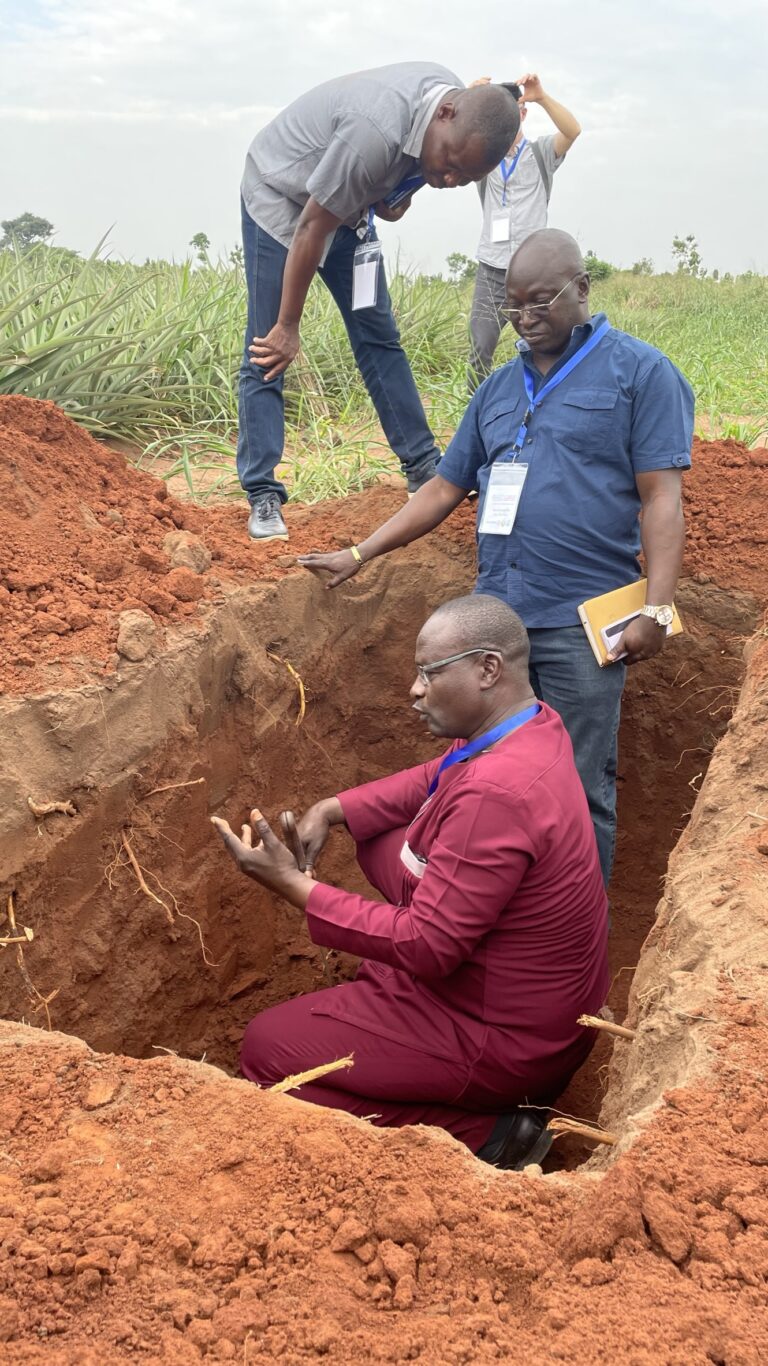
Research and training network on soil functionality in West Africa Partners: Benin, Burkina Faso, Côte d'Ivoire, France, Senegal This
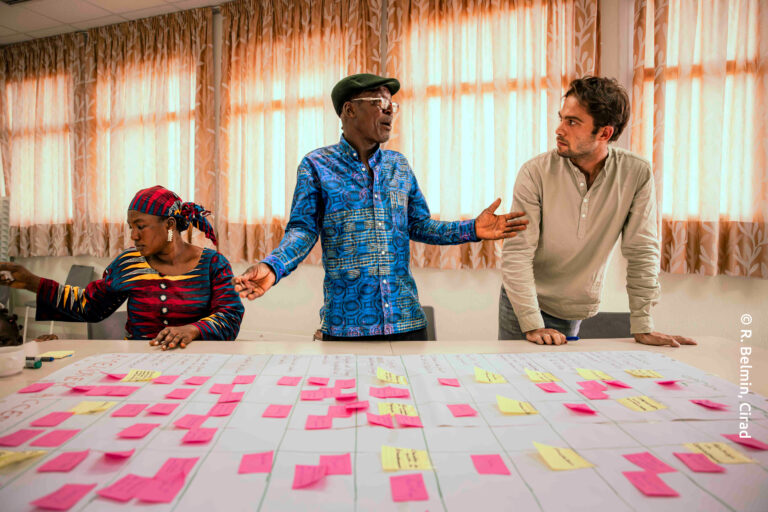
TSARA also builds on existing momentum around projects that bring together partners in the initiative to address our key issues. OR4Food Learn about the project
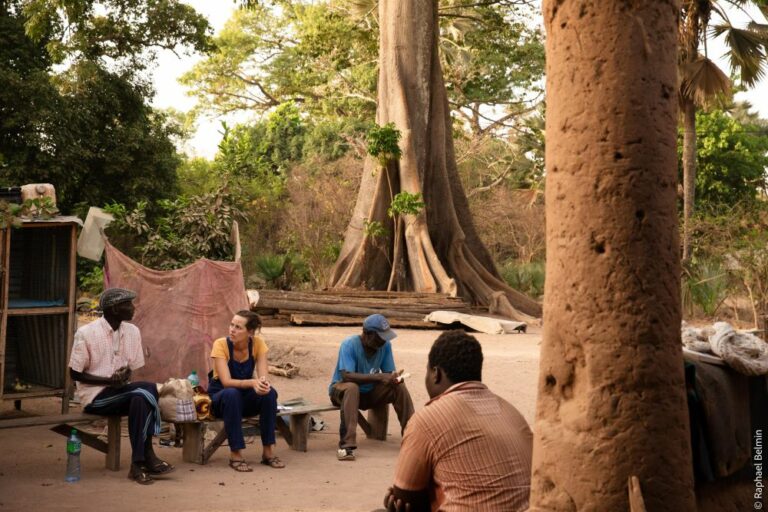
Resilience and self-determination potential of threatened agroecological territories The PRATAM action research initiative brings together INRAE, CIRAD, ISRA, Assane Seck University in Ziguinchor, and
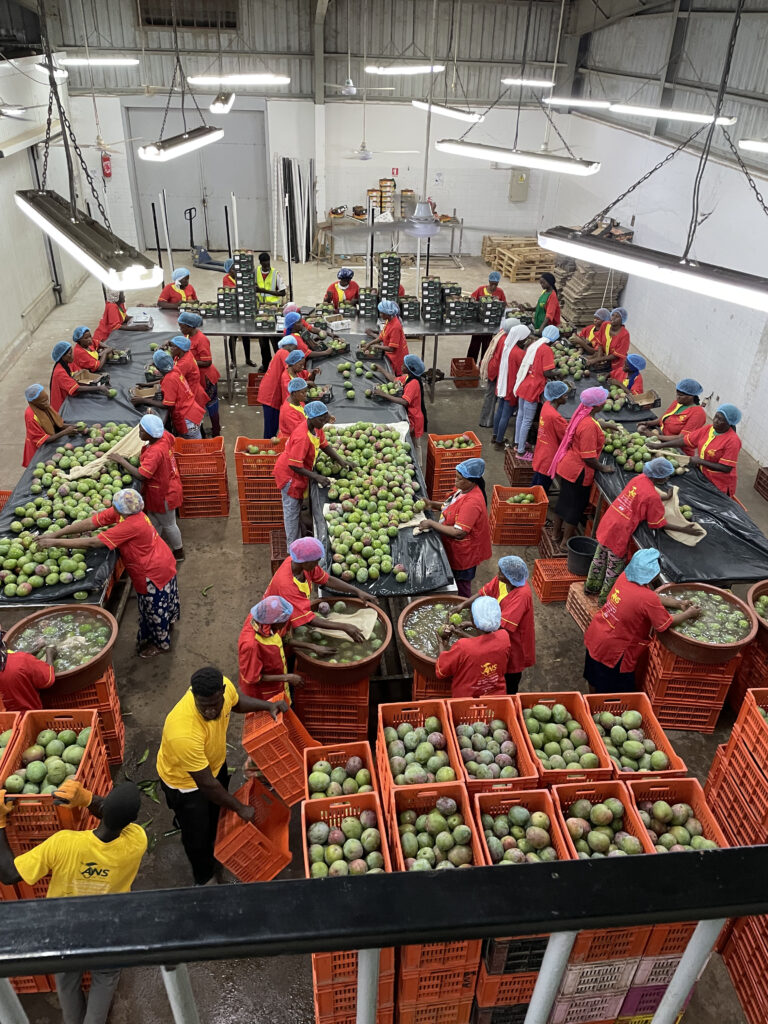
Challenges and Opportunities Related to Cold Chain Development in Hot Climates Partners: In many sub-Saharan African countries, losses
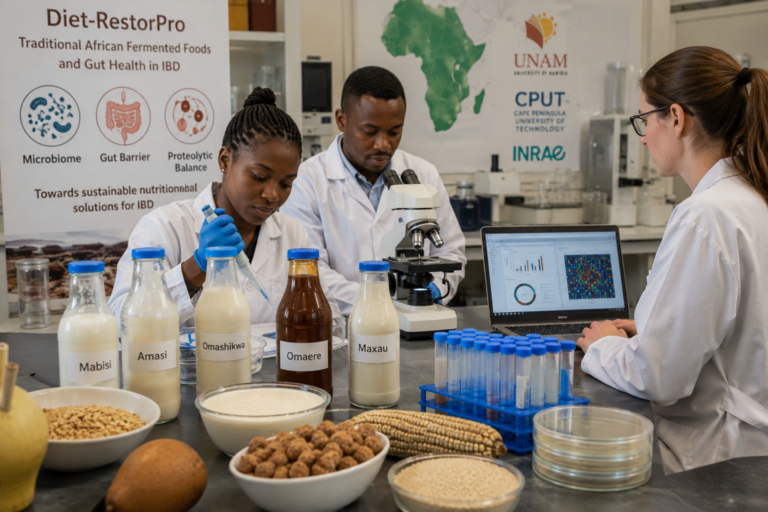
Study of the therapeutic potential of traditional African fermented foods in the context of chronic inflammatory bowel diseases (IBD). Partners: Diet-RestorPro is investigating the link between
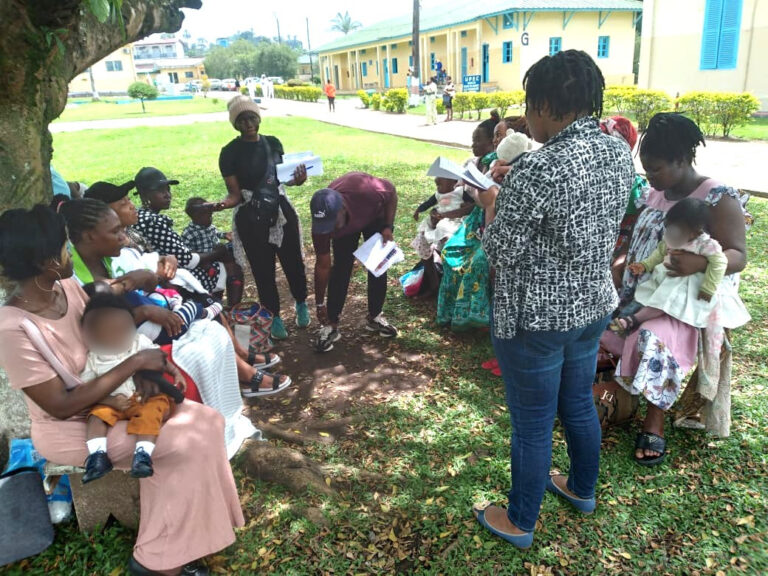
Diversity of Cameroonian Pulses and Resource-Efficient Methods for Producing Infant Cereals Partners: Funding: Better Utilizing Cameroonian Pulses to Improve Infant Nutrition
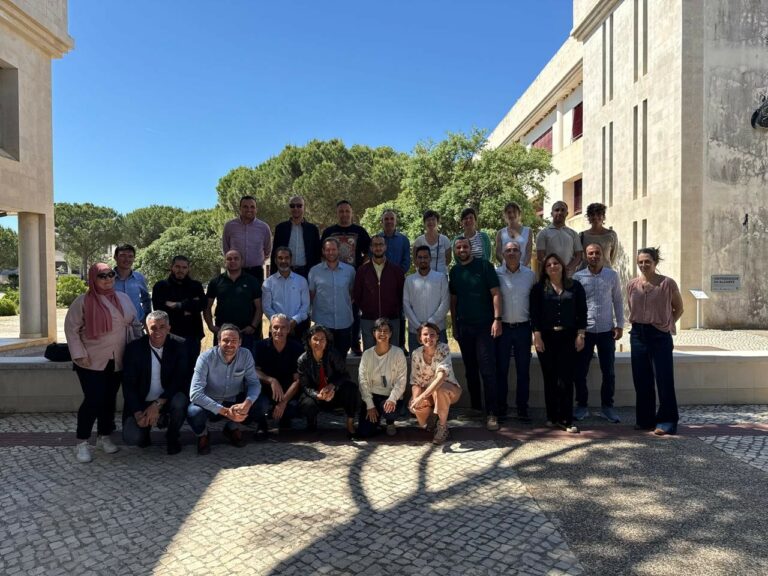
Nexus Solutions for Resilient Mediterranean Regions Funding: PRIMA Program, Section 1 MORFeuS is a landmark European project that brings together researchers, farmers, local authorities, and
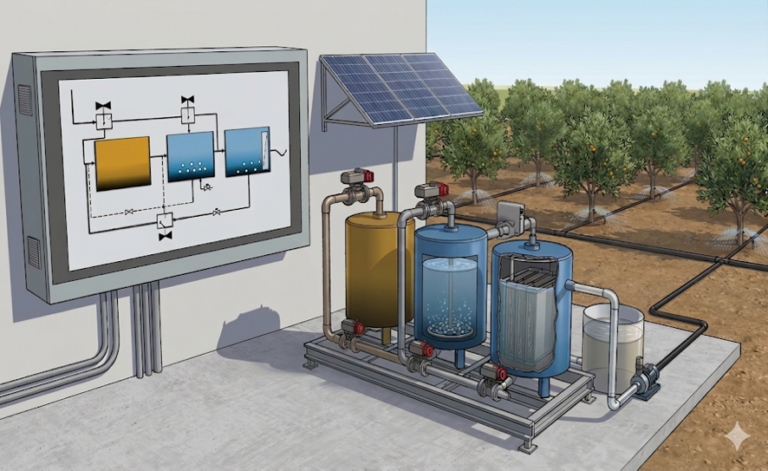
Research and Innovation for Water Reuse and the Circular Economy for Sustainable Development in Africa Funding: This work was partially funded by the COST Action
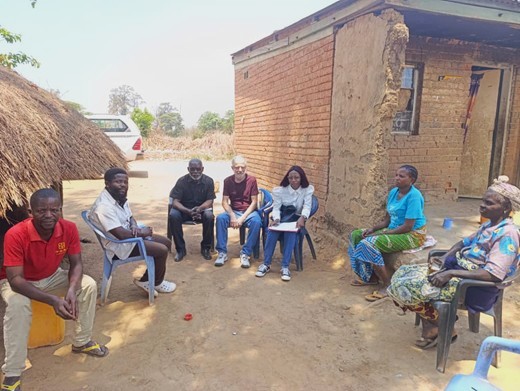
Surveys on breastfeeding practices in the southeastern Democratic Republic of the Congo. Partners: Breastfeeding is recommended by the Organization