
The FAMA project concludes two years of collaboration focused on promoting traditional African foods
-
by
TSARA
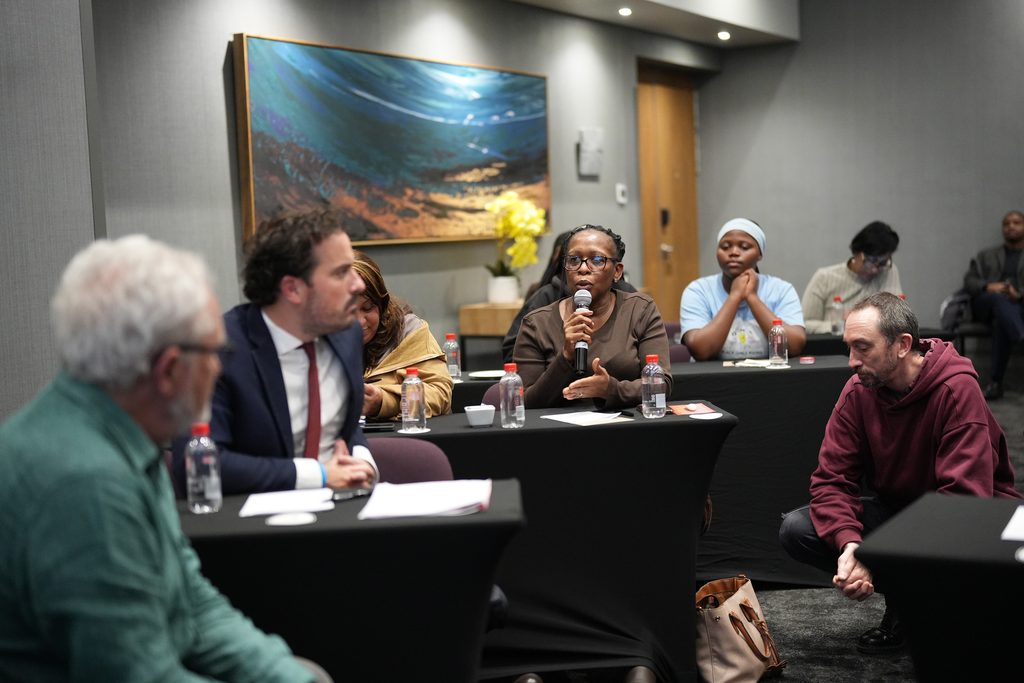
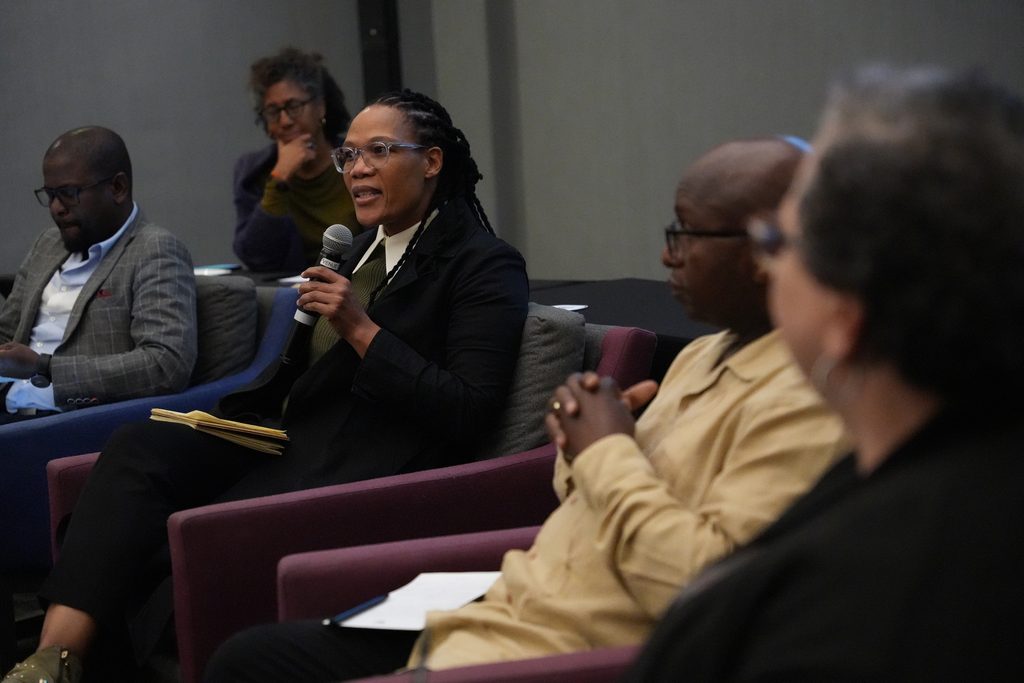
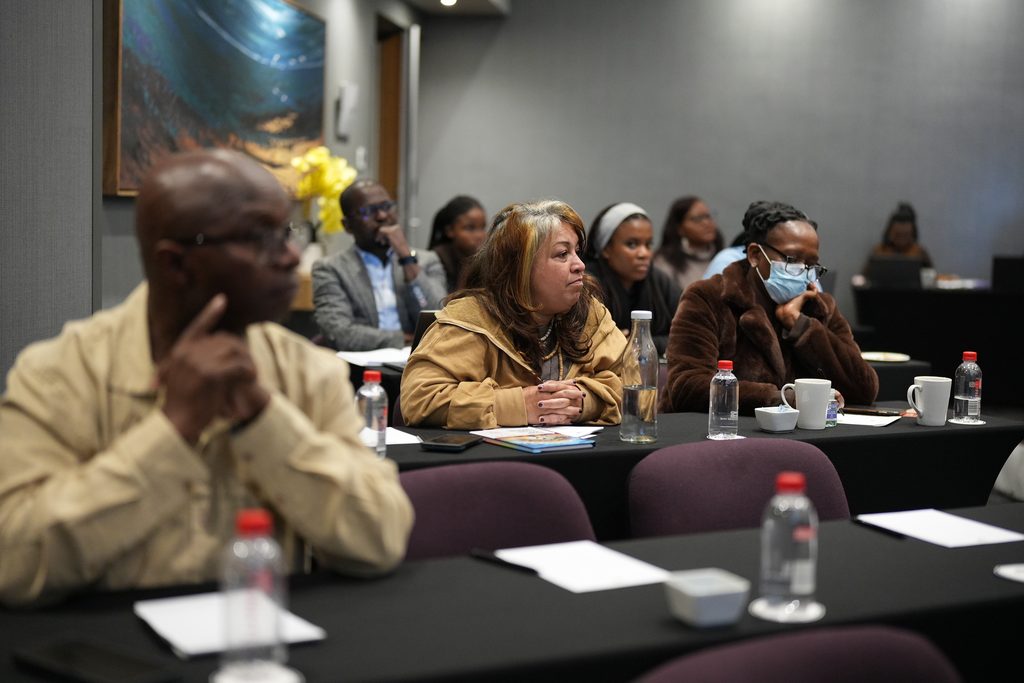
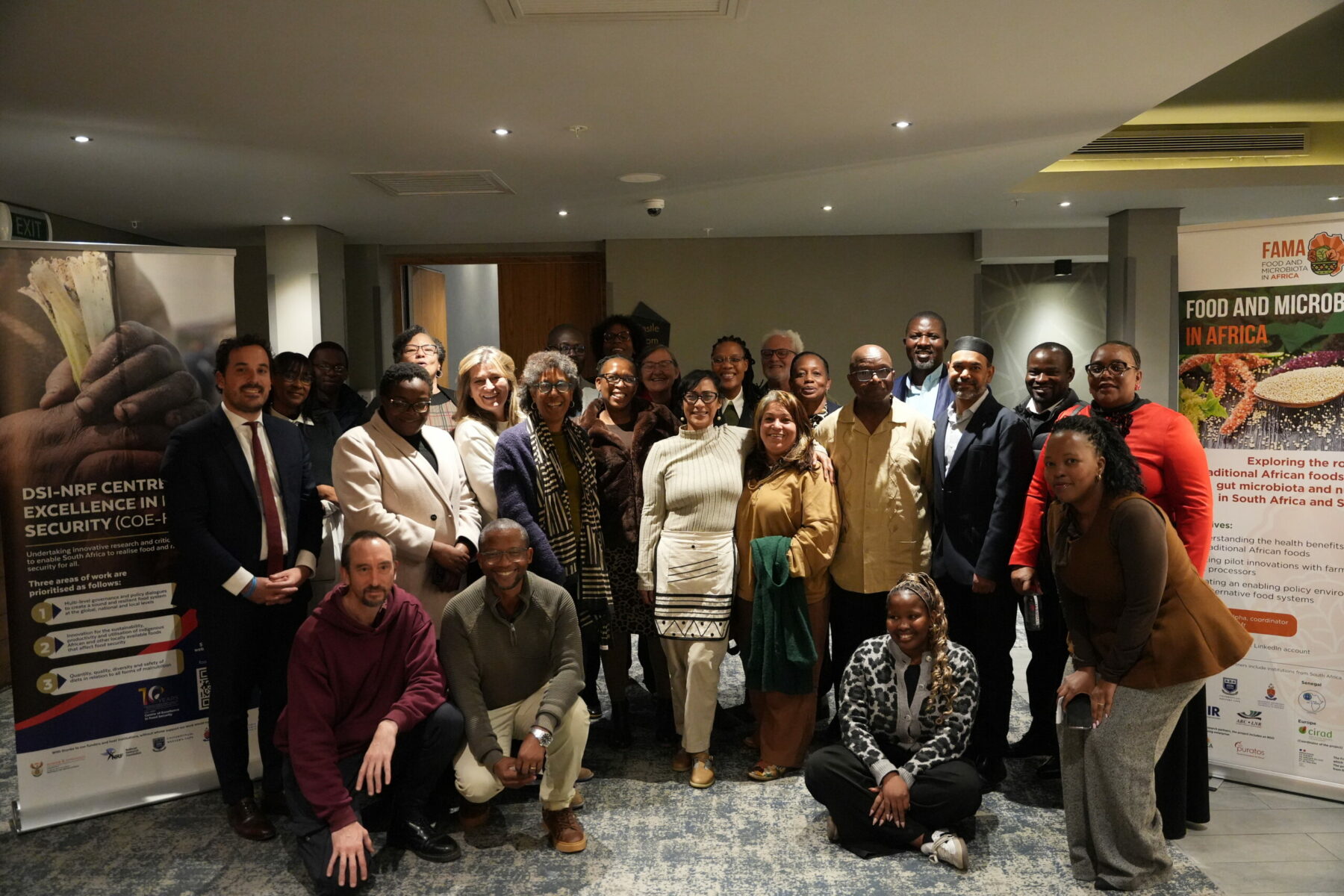
In late June 2026, participants in the Food and Microbiota in Africa (FAMA) project—conducted as part of the TSARA initiative—held the project’s closing workshop in Cape Town, South Africa. Together, they reviewed the project’s achievements and explored opportunities for future collaboration.
The FAMA project partners gathered for a closing workshop organized jointly by the Center of Excellence in Food Security (CoE-FS) and the French Embassy in South Africa. The meeting brought together researchers, civil society representatives, economic stakeholders, and institutional leaders from South Africa, Senegal, and France to take stock of two years of cooperation and explore new avenues for collaboration.
As part of the TSARA initiative, the FAMA project explored the potential of traditional African foods to promote healthier diets and contribute to the sustainable transformation of food systems. The workshop provided an opportunity to present the project’s scientific advances, particularly regarding the links between traditional diets, gut microbiota, and health, as well as the initiatives developed with farmers and small businesses to strengthen the production and processing of these foods.
The discussions highlighted several key challenges, including improving access to seeds and processing technologies, facilitating financing and market access, and strengthening public policy support for traditional food value chains. Participants also emphasized the need to raise awareness of these products among younger generations and the general public.
The final roundtable discussion identified several areas for action: developing community seed banks, supporting small businesses, promoting the inclusion of traditional foods in public procurement policies—particularly in schools—and continuing research on their health effects.
Beyond marking the conclusion of the project, this workshop reaffirmed the importance of partnerships between the research community, government, the private sector, and civil society in order to restore traditional foods to a central role in healthier, more inclusive, and more resilient African food systems.
For more information: see the original article from the Center of Excellence in Food Security.